
In the world of hip-hop, few names resonate as powerfully as The Notorious B.I.G. His smooth flow and captivating storytelling made him a legend, but his life was tragically cut short. So, how old was Biggie when he left us? Spoiler alert: he wasn’t even old enough to enjoy a mid-life crisis or a solid dad joke.
At just 24 years old, Biggie was taken from us, leaving behind a legacy that still influences artists today. His untimely death raises questions about the impact of fame and the fragility of life. Dive into this exploration of his age at death, and you might just find yourself pondering the “what ifs” of a life that could have been.
Background On Biggie Smalls
Born Christopher George Latore Wallace on May 21, 1972, Biggie Smalls emerged in Brooklyn, New York City. He became a seminal figure in East Coast hip-hop during the 1990s. Known for his distinctive voice and profound lyrics, he captivated audiences with narratives that reflected his life experiences.
Biggie’s debut album, “Ready to Die,” released in 1994, solidified his status in the music industry. The project showcased his raw storytelling ability and established him as a pioneering artist. With hits like “Juicy” and “Big Poppa,” Biggie gained widespread acclaim. His unique blend of humor and heartbreak resonated with fans, making him relatable to many.
In 1997, he released “Life After Death.” This double album expanded his musical reach, introducing a diverse range of sounds and collaborations. Critical and commercial success followed, with singles such as “Mo Money Mo Problems” and “Hypnotize” topping charts.
Tragically, Biggie’s life was cut short on March 9, 1997, in a drive-by shooting in Los Angeles. He was 24 years old at the time of his death. This loss profoundly impacted the hip-hop community and left an indelible mark on music history.
Biggie Smalls’ legacy endures through his innovative music and influence on subsequent generations of artists. Recognized as one of the greatest rappers of all time, his contributions shaped the genre’s landscape. Fans continue to celebrate his artistry, ensuring his presence remains strong in contemporary culture.
Biggie’s Life Timeline
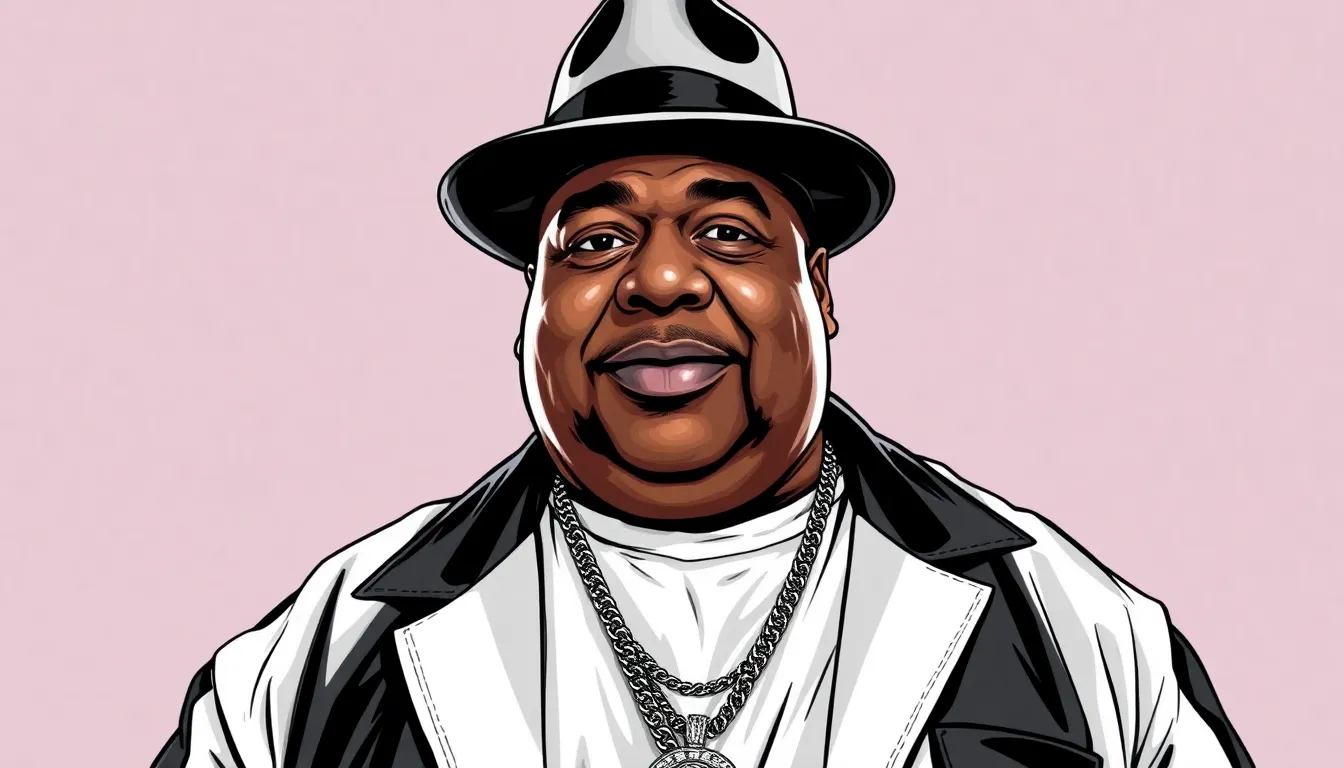
The Notorious B.I.G.’s life reflects a journey of talent and tragedy. His impact on hip-hop remains significant.
Early Life and Career
Christopher George Latore Wallace, known as Biggie Smalls, grew up in Brooklyn, New York City. Born on May 21, 1972, he faced challenges in an environment rife with crime. He attended a performing arts school, nurturing his passion for music. Starting as a drug dealer, he used his experiences to inform his lyrics. His early raps showcased his storytelling prowess, quickly attracting attention in the local scene. In 1991, he released his first demo, laying the groundwork for a flourishing career.
Rise to Fame
Biggie’s breakthrough came with the release of his debut album, “Ready to Die,” in September 1994. The album featured classic tracks like “Juicy” and “Big Poppa,” catapulting him to stardom. He redefined East Coast hip-hop alongside his peers, embracing an authentic style. His collaborations with artists such as Puff Daddy and Lil’ Kim showcased his versatility. The 1995 Source Awards highlighted his growing influence in the industry. By 1997, he maintained a prominent presence in hip-hop, just before his tragic death.
The Year of His Death
Biggie Smalls faced a tragic end at just 24 years old. His life came to a sudden halt on March 9, 1997.
Events Leading Up to the Tragedy
In early 1997, tension surrounded the East Coast-West Coast rap rivalry. Biggie’s rising fame drew both admiration and jealousy. On the night of his death, he attended a music industry event in Los Angeles. After the event, a drive-by shooting took his life, which shocked fans and the music community. This violent act not only claimed one of hip-hop’s brightest stars but also highlighted the escalating conflict within the genre. The circumstances leading up to that fateful night now serve as a crucial reminder of the dangers musicians face.
Impact of His Passing
His untimely passing changed the trajectory of hip-hop history. After Biggie’s death, an outpouring of grief enveloped the music world. Tributes from fellow artists flooded in, shining a light on his impact. His innovative sound and poignant lyrics inspired countless artists and fans. Many consider his work as a foundation for the genre. Additionally, his influence remains evident in contemporary music. The discussions surrounding his artistry have continued to spark important conversations about violence and its lasting effects within the music industry.
Reflection on Biggie’s Legacy
Biggie’s legacy transcends his brief life, encapsulating the essence of hip-hop. His contributions, especially through “Ready to Die,” shaped the genre and opened doors for future artists. Raw storytelling and an authentic perspective resonated deeply with fans, creating a profound connection.
Influenced by his upbringing, Biggie formulated lyrics that reflected harsh realities. He transformed personal experiences into art, capturing the struggles of urban life. Not only did he entertain, but he also raised awareness of social issues through his music.
After his death at the age of 24, the mourning within the hip-hop community amplified discussions about violence in the industry. Tributes flooded in from artists influenced by his work, highlighting his significant impact on their careers. Many see his innovative sound as a foundational element in modern rap.
Contemporary artists continue to cite Biggie as a major influence. His distinctive flow and lyrical depth serve as a benchmark for quality. Ongoing conversations about artistic expression in hip-hop often reference his contributions, emphasizing the importance of his message.
The fascination with “what if” scenarios surrounding his life fuels ongoing debates. Considerations about what Biggie might have achieved with additional years amplify his mythic status. Ultimately, the combination of talent, charisma, and untimely death secures his place as one of hip-hop’s greatest icons.
Biggie’s life and career, though tragically short, left an indelible mark on hip-hop. At just 24 years old, he transformed the genre with his unique storytelling and lyrical prowess. His influence continues to resonate, inspiring a new generation of artists while sparking critical conversations about the realities of fame and violence in the music industry. The legacy of The Notorious B.I.G. serves as a reminder of the potential lost too soon and the lasting impact one individual can have on culture. His music remains timeless, ensuring that his voice continues to be heard and celebrated.


